A lot can happen between an accepted offer and closing day. One missing permit, unanswered question about a renovation, or lack of documentation for electrical or gas work can create delays when time matters most.
While real estate professionals aren't expected to be technical experts, knowing where to look for information can help uncover potential issues early and support a smoother transaction. Below we outline some of the key resources available to help you verify permits, understand jurisdiction, and identify when additional information may be needed.
Check Permits First
A permit creates a record of regulated work and can help verify what work was completed and who performed it. This information can be valuable during a real estate transaction when questions arise about a property's history.
This includes information about:
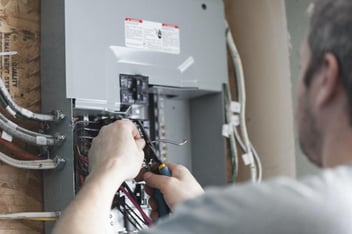
- Panel or service upgrades
- Gas furnaces, fireplaces, and appliances
- Renovations affecting electrical or gas
- EV chargers and heat pumps
Our Permit Lookup tool is the fastest way to confirm whether regulated work was completed under a permit, the type of work that was performed, and whether the permit reached final status.
When reviewing permits, also consider the type of property involved. Homeowners may be able to obtain certain permits themselves for work in single-family homes. For strata and multi-unit properties, requirements are often more complex and may involve licensed contractors, strata approval, or shared electrical and gas systems. Learn more about home modifications.

What Happens If No Permits Are Found?
This is a common situation. No permit doesn’t automatically mean something is unsafe, but it could mean:
- The work was not verified through the regulated process
- There is no confirmed record of how it was completed
- The condition of the installation is unknown
At this point, verifying the work through a licensed contractor can assess what was done, whether it meets requirements, and if anything needs to be corrected. Find a licensed contractor
When More Details Are Needed
Our Permit Lookup tool can help you confirm whether a permit exists and whether it reached final status. However, there may be situations where additional information is needed.
For example, you may need supporting documents such as inspection records or historical permit information to better understand the work that was completed. In this case, you can request records through a freedom of information (FOI) request.
This tool can be used when:
- Work doesn’t match what you see;
- Documentation is required for legal review; and/or
- Older records are needed.
Keep in mind that requests for information can take time to process, so it's best to identify any documentation needs as early as possible in the transaction process.
Understanding Jurisdiction (Where Records Are Held)
Technical Safety BC regulates electrical systems, gas systems, and certain technical equipment. Municipal governments typically oversee building construction, structural work, and renovations. In some municipalities, electrical and gas permits may also be administered locally.
This matters because one project can involve multiple permits and authorities. For example, installing a heat pump may require both electrical and building permits. As a result, records may exist in separate systems.
A permit search from one source may only tell part of the story. Identifying the correct jurisdiction early can help avoid delays later in the transaction. Learn more about Technical Safety BC jurisdictions.
Manufactured Homes and Certification
Manufactured homes have unique certification requirements that can affect a real estate transaction. Unlike traditional homes, manufactured homes require electrical certification to verify that the electrical system has been approved.
Certification is typically demonstrated through one of the following labels:
- CSA (or QAI label) – Confirms the home was certified by an accredited agency when it was manufactured.
- Silver Label (Technical Safety BC) – Confirms the home's electrical system has been inspected and certified.
If no certification label is present, it may indicate that the electrical system has not been verified. In these cases, an inspection and certification may be required before the sale can proceed, which can result in unexpected delays.
Because obtaining certification can take time, it's best to identify any missing labels as early as possible.

A little due diligence early in the process can go a long way. By checking permits, understanding jurisdiction, and identifying documentation gaps upfront, you can help avoid last-minute surprises and support a smoother transaction for your clients.